
Last updated:
Cayman Brac Best Time To Visit: an Overview
Cayman Brac best time to visit depends on your priorities and what you want to experience. This small Caribbean island sits at coordinates 19.7, -79.8 in the Cayman Islands. With just 2,300 residents and 38 square kilometers of land, Cayman Brac offers a quiet escape from crowded tourist destinations. The island's geography features a striking limestone ridge that gives the island its name. You'll find excellent scuba diving, pristine beaches, and peaceful surroundings year-round.
The best months to visit Cayman Brac are November through April. These months offer cooler temperatures and lower rainfall. You'll experience comfortable weather for outdoor activities and water sports. Travel during these months means fewer hurricanes and more predictable conditions. The island's tropical location means warm weather even in winter months. Water temperatures stay pleasant for swimming and diving throughout the year.
Cayman Brac Weather by Month
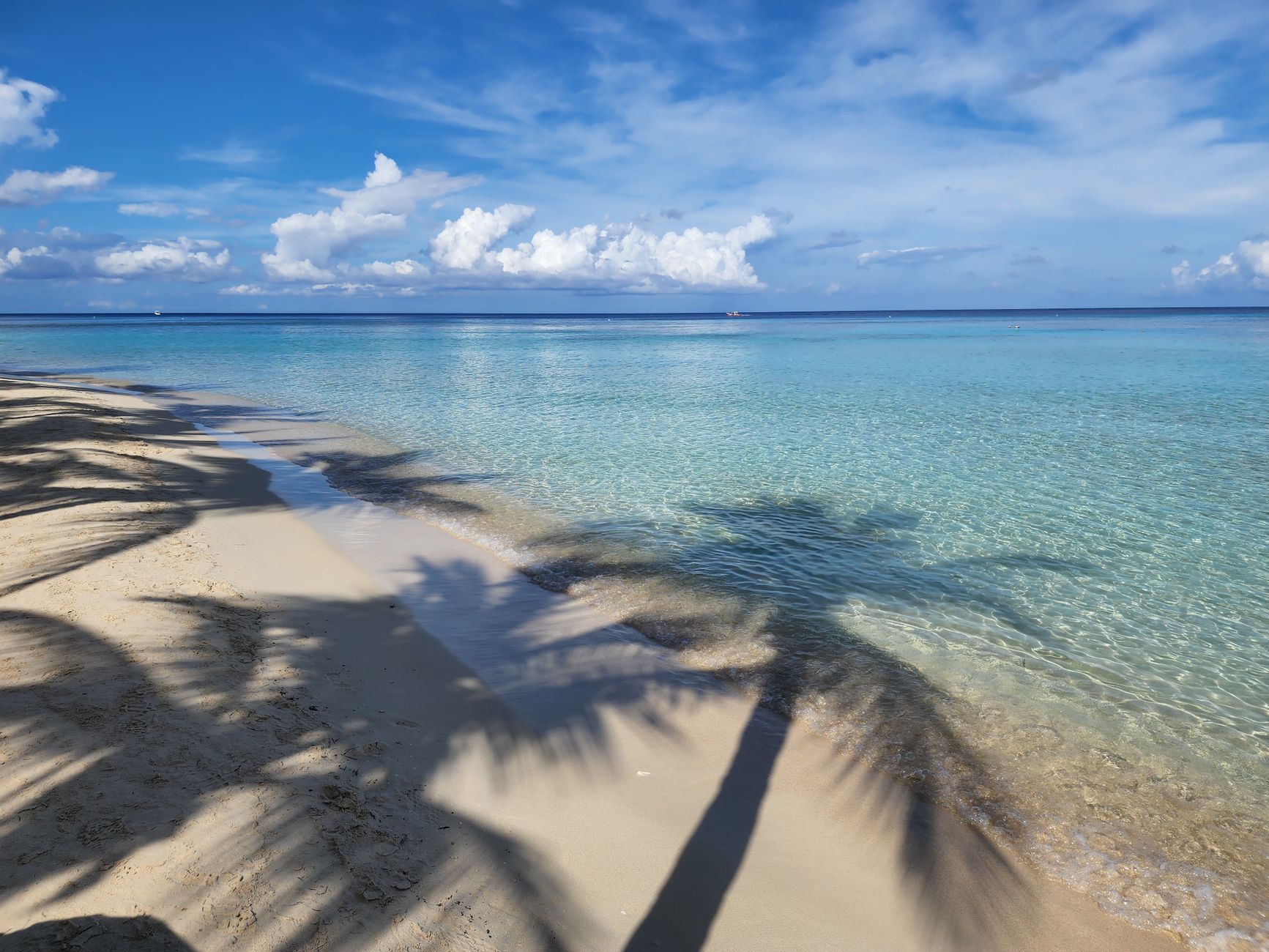
January and February: These are the coolest months on Cayman Brac. Temperatures range from 24 to 28 degrees Celsius. Rainfall stays minimal during these months. You'll experience the most comfortable conditions for hiking and outdoor exploration. The trade winds blow steadily from the northeast. Water visibility for diving reaches peak levels. Pack lightweight clothing and bring sun protection regardless of the mild temperatures.
March and April: Spring brings warmer days and continued dry conditions. Temperatures climb to 26 to 30 degrees Celsius. These months remain excellent for beach activities and water sports. Easter holidays sometimes bring increased visitor numbers in April. The sea remains calm with minimal wave action. Bring reef-safe sunscreen to protect the island's coral ecosystems.
May through October: The rainy season dominates these months. Temperatures reach 28 to 31 degrees Celsius. Humidity increases noticeably, especially from June through September. This period coincides with Atlantic hurricane season. Afternoon thunderstorms occur frequently but typically pass quickly. Rainfall can exceed 150 millimeters monthly during peak summer months. However, you'll find significantly lower accommodation prices during this period.
November and December: Fall transitions into winter with pleasant weather returning. Temperatures range from 25 to 29 degrees Celsius. Rainfall begins decreasing as the rainy season ends. December includes holiday travel, bringing more visitors to the island. Thanksgiving week sees increased American visitors. Christmas season brings families seeking warm weather escapes. Book accommodations well in advance for these months.
PRO TIP: Pack for both sun and brief rain showers year-round. Afternoon thunderstorms can appear suddenly but rarely last long. Bring a lightweight rain jacket that fits easily in your day bag.
Peak Season in Cayman Brac
Peak season on Cayman Brac runs from November through April. These six months offer the best weather conditions and most reliable forecasts. Travelers worldwide choose this period to escape cold northern winters. The island experiences its busiest times during Christmas week and New Year's holidays. Spring break in March and April brings school groups and young families. Thanksgiving week in November also sees increased visitor numbers.
Accommodations during peak season cost more and book up quickly. food-Restaurants and water sports operators run at full capacity. Beaches attract more visitors, though the small island never feels overcrowded. Tour operators offer maximum availability during these months. Dive shops schedule multiple trips daily. Grocery stores stock products consistently for the increased population. Hotels and resorts provide full service with all amenities available.
Weather during peak season remains largely predictable. Rainfall stays minimal, with most days sunny and clear. Trade winds provide consistent cooling breezes. Water temperatures hover around 25 to 27 degrees Celsius, perfect for diving and swimming. Humidity levels stay lower than other Caribbean destinations. Hurricane risk becomes essentially zero. You can plan outdoor activities with confidence during peak season.
Shoulder Season: Best Value

Shoulder season includes May and October on Cayman Brac. These transitional months bridge peak season and rainy season. You'll enjoy significantly lower accommodation prices compared to peak months. Restaurants and resorts offer special deals to attract visitors. Tour operators provide personalized attention with fewer clients. The island maintains a relaxed atmosphere without peak season crowds. You can negotiate better rates on longer stays and activity packages.
Weather during shoulder season remains mostly pleasant. May experiences warm days with occasional afternoon showers. October marks the beginning of the dry season returning. Temperatures range from 27 to 30 degrees Celsius. Water conditions remain excellent for diving despite occasional weather systems. Rainfall increases in May but rarely prevents daily activities. October brings stabilizing weather patterns as hurricane season winds down.
Shoulder season offers practical advantages beyond pricing. You'll get priority reservations at dive shops and restaurants. Local guides have more availability for personalized tours. Water quality remains good for photography and snorkeling. Accommodation availability gives you flexibility in choosing where to stay. You can explore the island more independently without tourist congestion. Hiking trails like the Cayman Brac Heritage Trail remain accessible and less crowded.
PRO TIP: Visit in May or October for substantial savings on accommodations and activities. The weather remains quite pleasant despite slightly higher rain chances. Local businesses offer better rates to fill rooms during these quieter months.
Rainy Season in Cayman Brac
Rainy season on Cayman Brac spans June through September. This period coincides with Atlantic hurricane season. Afternoon thunderstorms occur regularly, though they rarely last more than an hour. Monthly rainfall peaks in July and August, sometimes exceeding 150 millimeters. Humidity climbs significantly, making afternoons feel quite warm. However, the island rarely experiences direct hurricane hits due to its southern location.
Accommodation prices drop dramatically during rainy season. Hotels and resorts slash rates to attract visitors despite weather concerns. Vacation rental prices fall significantly below peak season rates. Restaurants offer meal discounts and special promotions. Activity costs decrease as operators run fewer tours. You can stay longer for the same budget spent during peak season. All accommodations, restaurants, and services remain open and functional throughout rainy season.
Rainy season presents both challenges and opportunities. Water visibility for diving decreases due to rainfall runoff. Wind patterns shift, creating choppier water conditions. However, fewer divers means less crowding at dive sites. Local residents go about daily life without tourist pressure. You'll experience authentic Cayman Brac culture more genuinely. Restaurants cater to local diners rather than tourists. You can meet residents more easily and hear real island stories.
Planning rainy season travel requires flexibility. Pack rain gear and plan indoor activities. Check forecasts before booking outdoor water sports. Understand that afternoon activities might shift to mornings. Accept that some days may require alternative plans. However, rainy season offers incredible value and authentic experiences. Diving remains possible with reduced visibility but excellent wildlife activity. The island's natural landscape stays lush and vibrant during rainy months.
Best Time To Visit Cayman Brac for Families

Families traveling with children should visit Cayman Brac from November through April. School holiday schedules drive most family travel. Christmas week and New Year's holidays bring maximum family visitors. Spring break in March and April attracts school groups. These months offer the most reliable weather for family activities. Children enjoy consistent sunny days and safe swimming conditions. Calm waters make beach time easier to manage with young kids.
December and March work particularly well for families. December's holiday season excites children and creates festive atmosphere. March's spring break aligns with school schedules across North America. April offers Easter holiday timing and warming weather. Accommodations cater to families with multi-bedroom units and kitchen facilities. Many resorts offer kids' clubs or family activity programs during peak season.
Family activities on Cayman Brac include snorkeling, hiking, and beach exploration. The Cayman Brac Heritage Trail offers easy walking paths suitable for older children. Booby Pond provides wildlife viewing opportunities accessible to families. Multiple beaches offer calm, shallow water perfect for young swimmers. Local guides organize family-friendly diving and snorkeling expeditions. Restaurants accommodate children's diets and preferences readily.
Consider family needs when choosing visit timing. Younger children handle cooler weather better, making January and February ideal. Older kids enjoy more adventurous activities available in peak season. Predictable weather allows reliable planning of family outings. Fewer crowds mean less waiting for activities and restaurants. The island's small size makes it easy to manage family logistics. All family members typically find something enjoyable to do daily.
PRO TIP: Book family accommodations with kitchens to save money on meals. Many vacation rentals include beach access and are cheaper than hotels. Preparing some meals lets you control dining schedules around children's needs.
Best Time To Visit Cayman Brac for Diving
Divers should visit Cayman Brac from November through April for optimal conditions. These months offer the best water visibility and calmest sea conditions. The Northeast Trade Winds blow steadily, creating protected dive sites on the western shore. Water temperatures stay warm enough for comfortable diving without heavy wetsuits. Visibility often exceeds 30 meters during these months. Calm conditions allow safe diving at various depths and skill levels.
January and February provide the absolute best diving conditions. Trade winds blow most consistently during these months. Sea state remains calm with minimal surge or current. Water visibility peaks, allowing excellent underwater photography. Nitrogen narcosis concerns decrease at shallower depths due to crystal visibility. Coral and fish colors appear vibrant and saturated. Divers can stay longer at depths without wasting gas on ascents.
Cayman Brac is famous for its dramatic underwater formations. The island's western wall drops dramatically from shallow waters. The Brac itself extends underwater, creating unique topography. Over 50 documented dive sites surround the island. The wreck of the MV Captain Keith Tibbets offers exceptional diving. This Russian frigate sits in 5 to 20 meters of water. Multiple operators guide divers to major sites daily during peak season.
Diving logistics work smoothly during peak season. Multiple dive shops operate daily schedules with regularly departing boats. Equipment rental includes current gear in good condition. Dive guides provide thorough briefings and personalized attention. Safety standards maintain high levels with experienced dive masters. You can arrange multi-day diving packages easily. Most accommodations sit within walking distance of dive shops.
Spring shoulder season in March and April offers good diving alternatives. Water remains warm and visibility stays acceptable. April's Caribbean lobster season sometimes creates interesting wildlife encounters. Fewer divers per dive site means more peaceful experiences. Prices drop compared to peak season rates. Dive operators maintain full schedules despite fewer visitors. You receive more personalized service from dive masters.
Avoiding the Worst Weather

June through September represents hurricane season in the Caribbean. Cayman Brac sits in a relatively protected location south of typical hurricane paths. However, the island still experiences heavy rainfall and occasional tropical systems. Atlantic hurricane season officially runs June through November. Peak hurricane activity occurs August through October. September statistically sees the most tropical systems. Traveling during these months means accepting weather uncertainty and potential disruptions.
Rainy season brings afternoon thunderstorms almost daily. Morning visibility often remains acceptable. Afternoon storms typically pass quickly but can be intense. Rainfall can exceed 200 millimeters in particularly wet months. Humidity climbs above 80 percent, making outdoor activity uncomfortable. Water visibility decreases due to runoff and sediment. Rough water conditions can cancel boat-based activities. However, the island remains operationally functional during rainy season.
Avoid late August through October if you prefer guaranteed good weather. This window carries the highest tropical system risk. Accommodation availability peaks during rainy season due to low demand. Only extremely budget-conscious travelers should consider this timing. Those flexible with weather and seeking authentic experiences might visit. All island services remain available and functional year-round. Emergency systems and hurricane preparations work effectively on Cayman Brac.
PRO TIP: Travel insurance becomes essential during rainy season months. Coverage for trip interruption and weather delays protects your investment. Confirm cancellation policies with accommodations and activity operators before booking.
Special Events and Considerations
Cayman Brac hosts several events worth considering in your planning. The Brac Dive Festival occurs annually in December. This event celebrates the island's diving culture and heritage. Divers from around the world attend the festival. Accommodations book up months in advance for this event. Festival activities include special dive trips, presentations, and social gatherings. If interested in diving, plan December visits accordingly.
Cayman Islands Constitution Day falls in early November. This holiday marks the formal establishment of constitutional government. Local celebrations include parades, cultural performances, and community events. Tourism infrastructure remains open during celebrations. The holiday falls during shoulder season, offering good weather and decent pricing. You'll experience genuine local culture during constitutional observances.
Easter timing varies annually between late March and late April. Many Christian families visit during this religious holiday. Restaurants and attractions may adjust Easter week schedules. Some businesses close on Good Friday. Easter school holidays bring increased family visitors. Accommodation rates jump during Easter weeks across spring break season.
Frequently Asked Questions

What Is the Absolute Best Month To Visit Cayman Brac?
January and February represent the absolute best months for most travelers. These months deliver perfect combination of weather, diving conditions, and accessibility. Trade winds blow steadily, keeping seas calm and skies clear. Water visibility for diving exceeds 30 meters regularly. Temperatures hover around 26 degrees Celsius, offering comfortable warmth without excessive heat. All island services operate at full capacity with maximum availability. However, these months come with peak season pricing and increased visitor crowds. Book accommodations at least two to three months in advance for January and February travel.
Is Cayman Brac Safe To Visit During Hurricane Season?
Cayman Brac experiences minimal hurricane risk despite falling within Atlantic hurricane season. The island's southern location places it below typical hurricane formation zones. While tropical systems can affect the island, direct hurricane hits remain rare. The island maintains robust emergency systems and hurricane preparedness procedures. Modern building codes withstand tropical weather impacts effectively. Rainy season brings afternoon thunderstorms rather than hurricanes. Travel insurance covering weather disruption is wise during June through September. Most travelers encounter only heavy rain rather than dangerous weather systems.
When Should I Visit If I Want To Avoid Crowds?
May and October provide excellent crowd-free experiences with acceptable weather. These shoulder season months see dramatically fewer tourists than peak months. Accommodations cost 30 to 50 percent less than peak season rates. Restaurants and activity operators provide personalized service without rushed atmosphere. The island feels authentic and relaxed during these periods. Weather remains mostly pleasant with occasional afternoon showers. You can book activities last-minute without reservations. June through September offer extreme crowd avoidance but include heavier rainfall and hurricane season uncertainty.
What Should I Pack for Visiting Cayman Brac?
Pack lightweight, breathable clothing suitable for warm tropical weather. Bring reef-safe sunscreen in SPF 50 or higher. Include a light rain jacket or poncho for afternoon showers. Comfortable walking shoes work well for hiking trails and beach exploration. A rashguard or swim shirt protects skin during water activities. Bring medications in original pharmacy containers. Pack any personal care items you prefer, as specialty products may cost more. Include travel documents and copies stored separately. Bring chargers compatible with North American outlets. A small daypack holds snacks, water, and sun protection for daily exploration.
Do I Need a Visa To Visit Cayman Brac?
Most nationalities do not require a visa for Cayman Brac entry. The Cayman Islands offers visa-free travel for citizens of most developed countries. Entry follows standard Cayman Islands tourism policy by nationality. You'll need a valid passport with at least six months validity remaining. Canadian, US, and UK citizens require only passports, no visas. Some nationalities require advance permission, so verify your country's requirements. Check the Cayman Islands government immigration website for your specific nationality. Return flights confirm your temporary visitor status. Most tourists receive automatic visitor permits upon arrival without paperwork beyond passport presentation.