Last updated:
Cayman Brac is a small Caribbean island with a population of just 2,300 people. Getting around this 38 km² island requires understanding your transport options. This guide covers Cayman Brac parking transport solutions for all visitors. You will find information about car rentals, taxis, and public options. Budget travelers have several choices for affordable movement. Divers visiting for world-class scuba sites need reliable transportation. Whether you stay for a week or a few days, you will navigate Cayman Brac easily with proper planning.
Car Rental in Cayman Brac
Renting a car on Cayman Brac gives you complete freedom to explore the island. Several rental companies operate at Charles Kirkconnell International Airport. You can also arrange rentals through your accommodation. Most companies require a valid driver's license from your home country. An International Driving Permit is optional but helpful. You must be at least 21 years old to rent a vehicle. Insurance is mandatory and the rental company will add it to your bill.
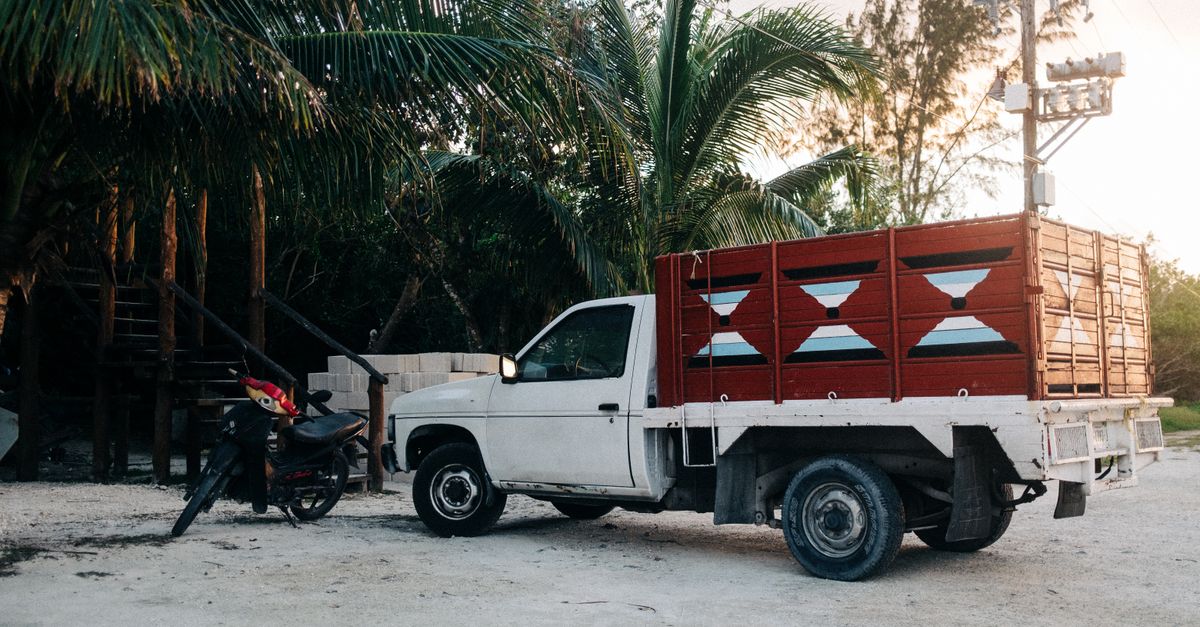
Cars on Cayman Brac range from compact sedans to SUVs. Compact cars work well for most visitors since roads are narrow. SUVs help if you plan to visit remote beach areas. Daily rental rates vary depending on vehicle type and rental company. Book in advance during peak months (November through April) for better availability. Most rental agreements require a security deposit via credit card. Check that your personal auto insurance covers rentals overseas.
The island has limited parking in central areas. Small lots exist near Stake Bay and the airport. Most accommodations provide free parking for guests. Street parking is usually free but limited in town centers. Never leave valuables visible in parked vehicles. Lock all doors when you step away from your car. Parking enforcement is minimal but respect private property signs.
Taxis in Cayman Brac
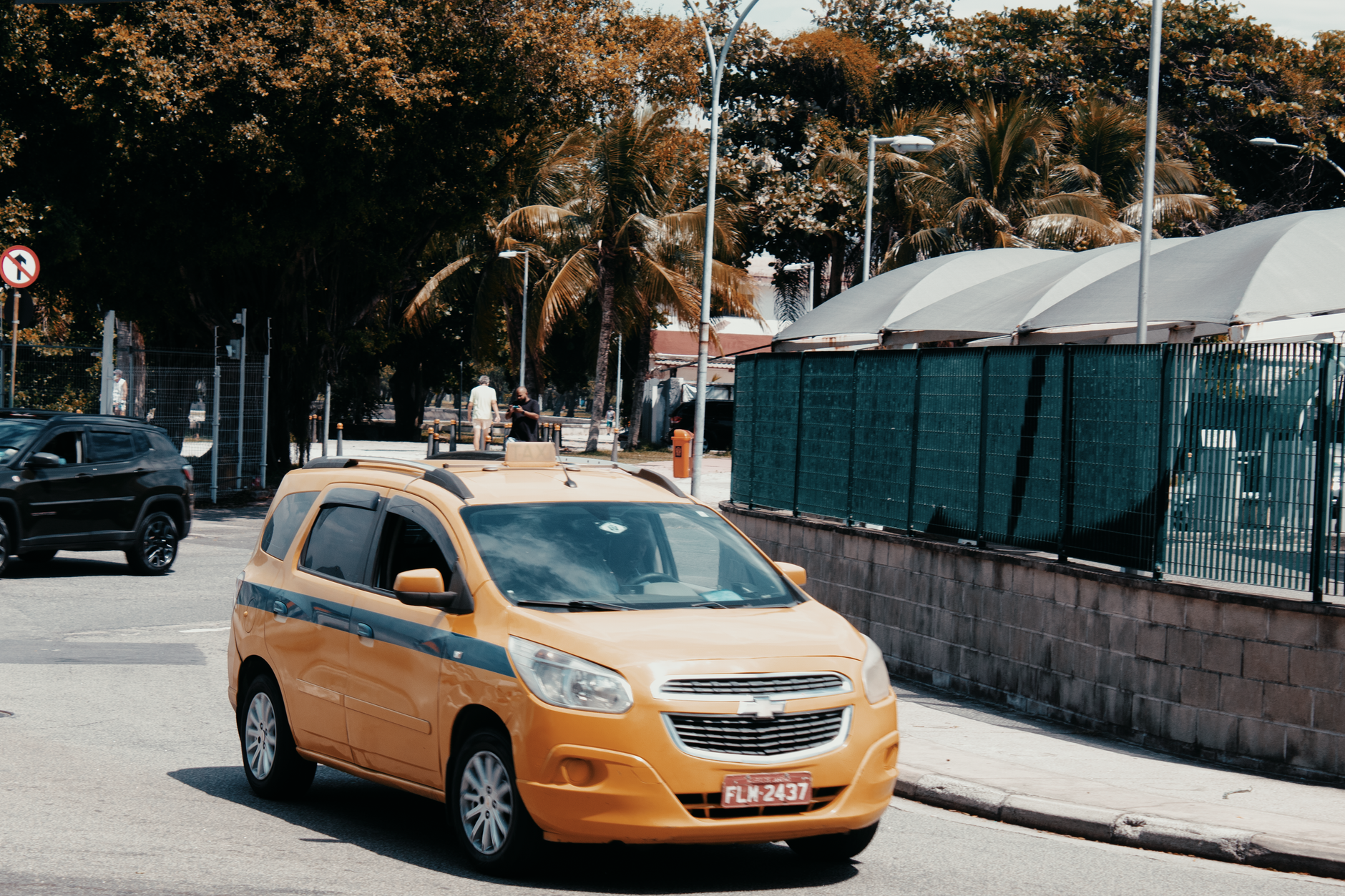
Taxis operate throughout Cayman Brac and provide reliable service. You will find taxi stands at Charles Kirkconnell International Airport. Hotels and resorts can call taxis for you on request. Most drivers are knowledgeable about island attractions and beaches. Taxis accommodate 4 to 8 passengers depending on vehicle type. Rates are fixed by the government so fares stay consistent. Tip drivers 15 percent if you feel satisfied with service.
Negotiating fares before entering a taxi is standard practice. Ask the driver for the estimated cost to your destination. Prices depend on distance traveled and time of day. Airport transfers typically cost more than local trips. Most drivers accept both Cayman Islands dollars and US dollars. Arrange rides in advance for early morning departures. Late night service may require booking several hours ahead.
Taxis are practical for reaching Stake Bay, the main settlement. Getting to diving sites often requires taxi service from your hotel. Drivers know the best routes to Bloody Pond Beach and Booby Pond Nature Reserve. Ask your taxi driver about stopping at multiple locations during your trip. This works well for full day excursions to explore the island's attractions.
PRO TIP: Exchange contact information with your taxi driver if you plan multiple trips. Repeat customers often receive slight discounts or priority service from the same drivers.
Public Transport Options
Public bus service operates on limited routes across Cayman Brac. Buses run primarily along the main roads connecting settlements. Service is most reliable during daytime hours. Schedules change seasonally and buses do not always run on set times. Expect buses to fill with locals during morning and evening hours. Fares are extremely affordable, costing just a few Cayman Islands dollars per trip.
Bus stops lack shelter or formal markings in many locations. You can board at main intersections near shops and food-restaurants. Request stops by raising your hand as buses approach. Drivers will pause to pick up passengers almost anywhere along their route. Bring small bills since drivers may not have change for large notes. Buses rarely run during mid-day between 10 AM and 3 PM. Evening service ends by 6 PM most days.
The main bus route connects Stake Bay to the airport and eastern settlements. Buses pass through West End, the residential area west of Stake Bay. Tourist attractions along the main road are accessible by bus. Getting to remote beaches usually requires private transport. Public buses are not reliable for time-sensitive trips or airport transfers. Plan extra time if using buses to reach Charles Kirkconnell International Airport.
Getting Around Cayman Brac on a Budget

Saving money on transportation requires planning ahead. Public buses cost the least of all transport options. Walk whenever possible since Stake Bay is compact and pedestrian friendly. Most hotels sit within reasonable walking distance of shops and restaurants. Wear comfortable shoes and bring water for island heat. Walking tours take 30 minutes to an hour in town areas.
Sharing taxis with other tourists reduces individual costs significantly. Ask your hotel to connect you with other guests needing transport. Group rates for shared taxi service may apply. Splitting a car rental with travel companions cuts daily costs by half or more. This works well if you have flexible schedules and compatible travel interests.
Staying near Stake Bay eliminates most transportation needs. Walk to restaurants, bars, and shops from central accommodations. This saves money on daily transport while letting you explore at a relaxed pace. Avoid peak season months if possible. Visitor numbers are lower from May to October. Lower demand may mean easier booking and better accommodation rates. Off season weather is hot and humid but prices drop considerably.
Bicycle rentals offer another budget option for exploring. Cayman Brac is only 38 km² so distances are manageable. Flat terrain in western areas makes biking easier than hilly eastern sections. You can cover several beaches in a single day by bike. Always wear a helmet and bring plenty of water. Watch for occasional traffic on main roads during driving.
PRO TIP: Many accommodations provide complimentary bicycles or walking maps for guests. Ask about these free resources when checking in to avoid rental costs entirely.
Driving in Cayman Brac: What To Know
Cayman Brac drivers use the left side of the road. This follows British driving customs still used in the Cayman Islands. Adjust quickly if you come from a country driving on the right. Take extra time your first day to grow comfortable with the switch. Traffic is light so you will have fewer vehicles to navigate. Speed limits are clearly posted on main roads and residential areas.
Roads range from excellent to rough depending on location. Main roads connecting Stake Bay are well maintained. Secondary roads deteriorate toward less developed areas. Some beach access roads are unpaved gravel tracks. High clearance helps navigating rough terrain. Compact cars may struggle on badly damaged roads. Avoid driving during heavy rain when unpaved roads become impassable.
Gasoline prices are higher than mainland North America and Europe. Fill your tank regularly as service stations are limited. The only major gas station serves the airport and main town. Payment is cash or credit card depending on the station. Distances are short so you rarely need to refuel during your stay. A full tank covers the entire island with fuel to spare.
Traffic accidents are rare due to light traffic volume. Still, drive slowly and stay alert on narrow roads. Locals drive familiarly with island roads and may take risks. Obey posted speed limits and watch for pedestrians. Animals occasionally cross roads in rural areas. Stop completely at intersections even if you see no traffic. This Cayman Brac parking transport guide includes safe driving practices.
Drunk driving laws are strict and enforced. Police checkpoints appear periodically on main roads. Absolutely no driving under the influence is permitted. If you drink alcohol, use taxis instead of driving. The legal drinking age is 18 but responsible choices protect everyone.
Scooter and Bike Rental

Scooter rentals are available through some local companies. Check with your accommodation for rental recommendations. Scooters are cheaper to rent than cars and use less fuel. Manual transmissions are common so confirm you can operate one. Helmet use is mandatory by law in the Cayman Islands.
Cayman Brac roads are generally safe for scooters though narrow in places. Main roads handle two wheeled traffic well. Secondary roads become challenging in rough condition. Avoid riding scooters during rainy weather when roads become slippery. Slow speeds and defensive riding keep you safe.
Bicycles are ideal for exploring town areas and flat western sections. Most bikes have baskets for carrying snacks and sun protection. Cycling to Bloody Pond Beach takes 20 to 30 minutes from Stake Bay. The ride is mostly flat with minimal traffic concerns. Water sports enthusiasts use bikes to reach diving shop locations.
Electric scooters and bikes may be available through accommodations. These quiet options are environmentally friendly and very quiet. Charging stations exist at main hotels and resorts. Range limits mean they work best for short trips within Stake Bay. Battery life typically covers 25 to 40 kilometers between charges.
Rental companies usually require ID and a security deposit. Insurance may be optional for scooter rentals. Always wear protection including helmets and long sleeves. Sunscreen should be applied before riding. Bring water to stay hydrated under the tropical sun. Park scooters and bikes in secure locations when unattended.
PRO TIP: Rent scooters or bikes early in the morning to avoid afternoon heat. Ride during cooler early hours and relax during peak afternoon temperatures.
Frequently Asked Questions
Is Cayman Brac Parking Transport Difficult for Tourists?
No, Cayman Brac parking transport is straightforward for most visitors. The island is small at 38 square kilometers with simple road layouts. Main roads are well marked and easy to navigate. Limited traffic means fewer hazards than larger Caribbean islands. Taxi and rental companies cater specifically to tourists. Multiple transport options ensure you can get around regardless of experience level. Even first time Caribbean visitors manage transportation easily with basic planning.
Do I Need an International Driving Permit for Cayman Brac?
No, an international driving permit is optional on Cayman Brac. Your valid driver's license from your home country is sufficient. Car rental companies accept licenses from most nations. However, an international permit is helpful if your license is not in English. This eliminates confusion with local rental staff. Getting an international permit before travel costs little and prevents potential hassles. Check your license validity dates before arriving to ensure it is not expired during your stay.
What Is the Best Way To Get From the Airport To My Hotel?
The best option depends on your budget and preferences. Car rentals are available at Charles Kirkconnell International Airport for independent travel. Taxis wait outside the terminal and take you directly to accommodations. Many hotels arrange airport transfers for guests in advance. This is convenient if you want to relax after traveling. Shared shuttle vans exist through some resort companies. These reduce costs but make multiple stops. Book transfers when reserving your room for guaranteed service and clear pricing.
Can I Get Around Cayman Brac Without Renting a Car?
Yes, many visitors explore Cayman Brac without car rentals. Taxis are reliable and available throughout the island. Public buses operate on main routes at low cost. Walking works well for staying near Stake Bay. Bicycle rentals let you explore at a relaxed pace. Some beaches require private transport but many are accessible by taxi. Staying centrally near Stake Bay minimizes transport needs. Plan your activities around transportation availability when not renting a car for maximum flexibility and reasonable costs.
Are Roads on Cayman Brac Safe for Driving at Night?
Roads are relatively safe at night but use caution and care. Street lighting exists only in Stake Bay town areas. Rural roads have no lighting and become very dark after sunset. Rental cars should have working headlights and taillights. Drive slowly and watch for pedestrians on unlit roads. Animals may cross roads unpredictably at night. If possible, arrange taxi service for evening trips rather than driving yourself. This eliminates navigation concerns and ensures safe transport after dining or entertainment activities.